
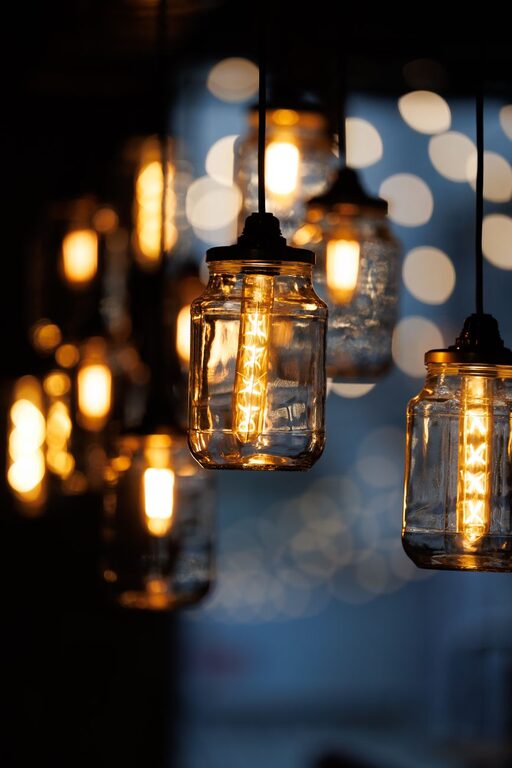
Lighting plays a crucial role in shaping the atmosphere and functionality of your home. Choosing comfortable home lighting goes beyond just picking a stylish lamp or bright bulb; it’s about creating a space that feels inviting and suits your daily activities. Whether you want to set a cozy mood or ensure well-lit work areas, the right lighting can make all the difference.
In this post, we’ll guide you through practical tips to help you select home lighting that is both comfortable and effective for every room.
Understanding the Basics of Comfortable Lighting
Before diving into specific tips, it’s important to understand what comfortable lighting means. Comfortable lighting:
– Reduces eye strain by providing adequate illumination without glare.
– Creates a pleasant atmosphere that matches the mood you want.
– Is flexible and adjustable to fit different needs and times of day.
– Complements the room’s design and enhances its features.
1. Choose the Right Light Bulbs
The type of bulb you select can significantly impact comfort.
Consider Color Temperature
– Warm White (2700K–3000K): Perfect for living rooms and bedrooms where a cozy, relaxing atmosphere is desired.
– Cool White (3500K–4100K): Works well in kitchens and bathrooms for a clean, bright feel.
– Daylight (5000K–6500K): Best for workspaces or reading areas as it mimics natural daylight.
Look for Dimmable Options
Dimmable bulbs allow you to adjust lighting intensity based on your needs, enhancing comfort and versatility.
Opt for Energy-Efficient Bulbs
LED bulbs use less energy, last longer, and often come with adjustable color temperatures and dimming capabilities.
2. Layer Your Lighting
Combining different types of lighting creates a balanced and flexible environment.
Ambient Lighting
This is the main source of light in a room, often from ceiling fixtures or recessed lights, providing overall illumination.
Task Lighting
Focused light for specific activities such as reading, cooking, or working. Desk lamps, under-cabinet lights, and pendant lamps serve this purpose.
Accent Lighting
Used to highlight features like artwork, plants, or architectural details. Examples include wall sconces or spotlights.
Layering these types helps avoid harsh shadows and creates a comfortable, inviting space.
3. Pay Attention to Light Placement
Where you place your lights affects comfort and functionality.
– Avoid positioning lights directly in your line of sight to prevent glare.
– Use floor or table lamps to add soft light in corners for a cozy feel.
– Install sconces or wall lamps at eye level to provide balanced illumination.
– In kitchens or work areas, position task lights directly above work surfaces.
4. Use Dimmers and Smart Controls
Adding dimmers or smart lighting systems can greatly improve comfort.
– Dimmers: Allow you to control brightness easily based on activity or time of day.
– Smart Controls: Many modern systems can adjust lighting automatically or via apps and voice commands, creating personalized lighting scenes.
This flexibility helps reduce eye strain and enables you to change the mood effortlessly.
5. Choose Fixtures That Match Your Style and Space
Comfortable lighting also means fitting well with your decor.
– Select fixtures that complement your furniture and color scheme.
– Consider the size and shape of fixtures so they don’t overwhelm or underwhelm the space.
– Use materials and finishes that reflect or diffuse light pleasantly, such as fabric lampshades or frosted glass.
6. Maximize Natural Light
Natural light is one of the most comfortable and healthy lighting sources.
– Use sheer curtains or blinds to soften harsh sunlight.
– Position mirrors to reflect natural light deeper into rooms.
– Avoid blocking windows with large furniture.
– Consider skylights or solar tubes in darker areas if possible.
Balancing natural and artificial light ensures a comfortable environment throughout the day.
7. Customize Lighting for Each Room
Different rooms have unique lighting needs.
Living Room
– Use warm ambient lighting to create a relaxing space.
– Add task lighting for reading nooks.
– Incorporate accent lights to showcase décor.
Kitchen
– Bright, cool task lighting above counters.
– General lighting for overall visibility.
Bedroom
– Soft, warm lighting to promote relaxation.
– Bedside lamps with dimmers.
Bathroom
– Bright, even lighting for grooming.
– Avoid harsh shadows around mirrors.
8. Mind the Size and Scale of Bulbs and Fixtures
Oversized or undersized bulbs and fixtures can affect comfort and balance.
– Large rooms can handle bigger fixtures or multiple sources.
– Small rooms benefit from smaller or recessed lights to avoid overpowering the space.
9. Minimize Glare and Shadows
Glare can cause discomfort and eye strain.
– Use lampshades or diffusers to soften light.
– Position lights to avoid direct shine in eyes.
– Use multiple lighting sources to reduce harsh shadows.
10. Maintain and Clean Your Lighting Fixtures
Dust and dirt can reduce light quality, making rooms feel dimmer and less comfortable.
– Regularly dust lamps and bulbs.
– Clean glass or plastic covers.
– Replace bulbs promptly when they burn out.
Final Thoughts
Choosing comfortable home lighting is a wonderful way to improve your living space’s mood and usability. By selecting the right bulbs, layering lighting types, adjusting placement, and considering your personal needs and style, you can create a warm, inviting home where you feel relaxed and productive.
Experiment with different lighting options and enjoy the difference that smart, comfortable lighting can make in your daily life.